

Relocating Abroad Changes Who You Are, Not Just Where You Live
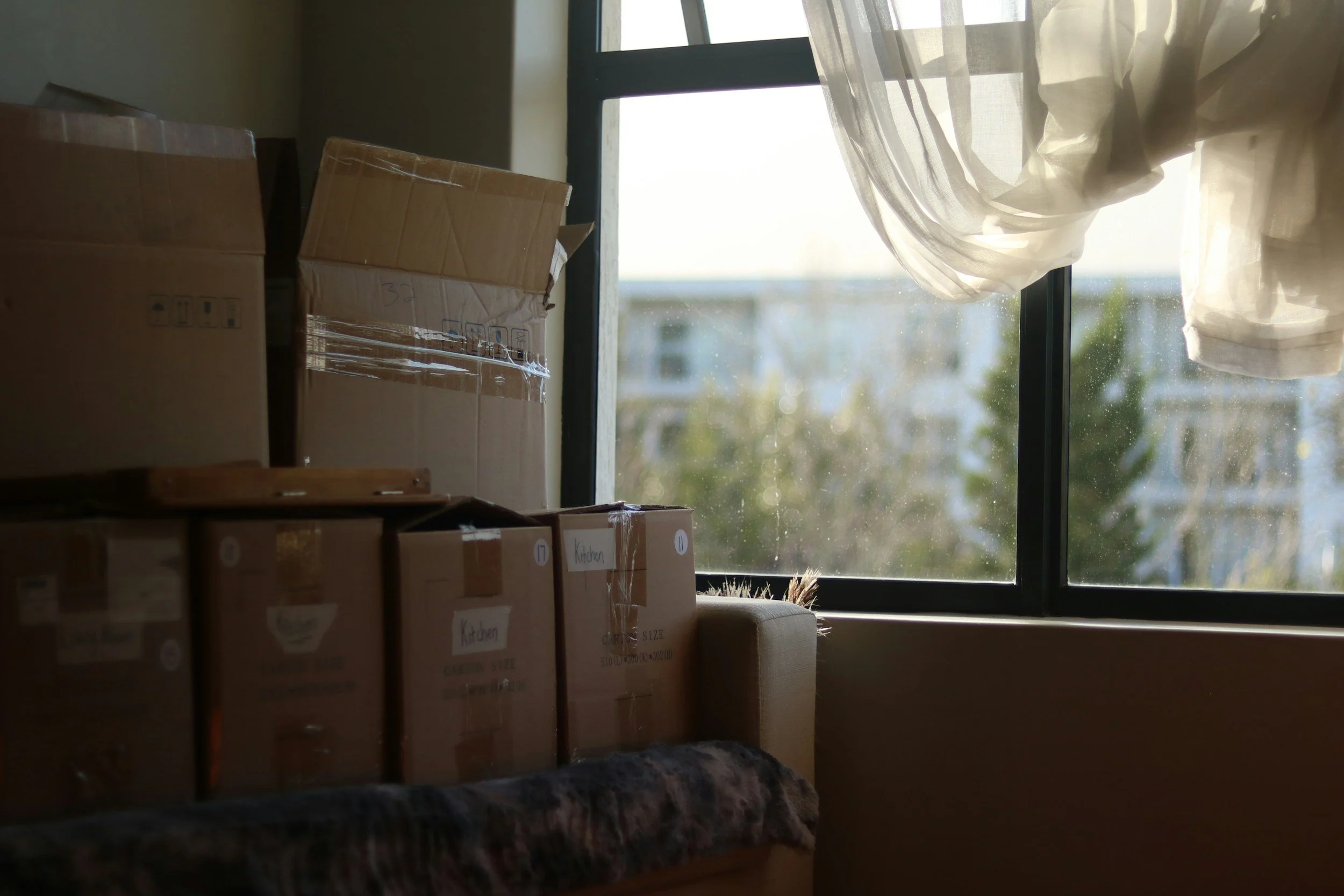
Settling after an international move takes more than time — it takes being truly seen, supported, and met in the in‑between.
Moving abroad is often framed as a practical transition.
A new country. A new language. New systems to learn. New routines to build.
What’s spoken about far less is the internal impact — the way relocation quietly disrupts identity, safety, and belonging. When familiar ground disappears, the nervous system often shifts into adaptation mode long before we consciously realise it.
People often arrive in coaching after a move abroad saying things like, “I don’t feel like myself anymore,” or “I thought I’d have settled by now.”
They may notice changes in their mood, their energy, or their relationships. They might feel more anxious, more self-doubting, more withdrawn — or oddly numb. And often, they try to manage this alone.
As I wrote in my previous blog, you can’t fix what you refuse to feel. What’s less often acknowledged is that feeling honestly isn’t always easy to do by yourself — especially during major life transitions.
When Familiar Structure Falls Away, Old Patterns Step In
Moving abroad removes many of the external cues that once helped regulate you.
Language, cultural norms, social roles, and familiar relationships all offered subtle feedback about who you were and how you belonged. When these shift or disappear, the internal system has to compensate.
This is often when familiar patterns resurface:
people-pleasing
self-doubt
overthinking
emotional withdrawal
anxiety or low mood
These responses aren’t signs that something is wrong. They are protective strategies — often learned earlier in life — reappearing in unfamiliar circumstances.
The difficulty is that when you’re inside these patterns, they can feel like reality rather than response. Without support, it’s hard to distinguish between what’s being shaped by the present situation and what’s being pulled forward from the past.
Why Change Is Felt Before It Can Be Explained
Major transitions don’t just happen mentally. They are lived through the whole system.
When you’re navigating a new country — often alongside work, family responsibilities, and constant adjustment — there is rarely enough space to slow down and notice what’s happening internally. Many people sense that something has shifted long before they can put words to it.
This is one of the reasons support can matter so much.
Change rarely comes from insight alone. It happens when experience is met, reflected, and allowed to settle rather than being pushed through.
Language, Belonging, and Communication
Language is more than a practical tool. It’s how we connect, relate, and feel understood.
When you move to a place where your first language isn’t spoken, communication often becomes more effortful. Nuance, humour, and emotional precision can be harder to access, and you may find yourself simplifying what you say or holding back altogether.
You might hesitate before speaking, avoid certain social situations, or feel less able to show who you really are. Even when people are welcoming, the sense of being fully known can feel slightly out of reach, leading to a quiet sense of isolation that’s hard to name.
This doesn’t mean you’re failing to adapt. It reflects the very real challenge of learning how to communicate, belong, and be yourself in a new relational landscape.
Relationships Under Strain and the Need for a Safe External Space
When partners or children are involved, relocation affects everyone differently.
One person may adapt quickly while another struggles. Emotional needs diverge. Guilt, resentment, or unspoken fear can build. Often, people stop saying what they’re really feeling in order to keep things stable.
What isn’t expressed doesn’t disappear. It often shows up as tension, distance, or exhaustion.
Trying to carry this alone can lead to further disconnection — both from others and from yourself.
Coaching offers a space where you don’t have to protect anyone else’s feelings. A place where honesty doesn’t need to be resolved or justified, but can simply be acknowledged.
Grief, Identity, and the Role of Being Witnessed
One of the most overlooked aspects of moving abroad is grief.
Not just grief for people or places — but grief for identity.
Who you were in your old life may no longer fit. Who you are becoming hasn’t fully formed yet. This in-between state can feel deeply unsettling.
Without support, many people rush to stabilise — to feel “normal” again — before integration has had time to happen.
Sometimes what’s needed isn’t reassurance or advice, but someone willing to stay present while things are unclear. Someone who notices subtle shifts, remembers what matters to you, and doesn’t hurry the process.
The Growth and Possibility Within Relocation
Alongside the disorientation, relocation can also bring genuine opportunity.
A new job may offer renewed purpose and stimulation. Building relationships with new colleagues can open fresh perspectives and allow you to be seen outside of old roles. Cultural differences, while challenging, often invite curiosity and flexibility, expanding how you understand people, communication, and yourself.
For children, starting new schools can feel unsettling, yet it can also foster adaptability, confidence, and friendships that shape their sense of self over time. Even changes in weather carry a dual impact — unfamiliar seasons may challenge energy and mood, while new climates can invite slower rhythms, greater connection to nature, or a different way of living.
Learning a new language can feel exposing and frustrating, but it also strengthens cognitive flexibility and opens new pathways for connection and belonging.
A coach doesn’t remove the challenges of relocation. Instead, they help you hold both the strain and the excitement — allowing the positives to land without bypassing what’s difficult, and supporting you to grow through the transition rather than simply endure it.
Support Is Not a Sign of Inability
Needing support during a major life transition doesn’t mean you’re failing.
It means you’re navigating something complex, layered, and deeply human.
If moving abroad has left you feeling unsettled, disconnected, or unsure of yourself, it may not be something to push through or solve.
It may be something to meet — with honesty, patience, and the right kind of support.
Not rushed.
Not forced.
But integrated in a way that’s true to you.
And from there, movement becomes possible — not forced or rushed, but supported.